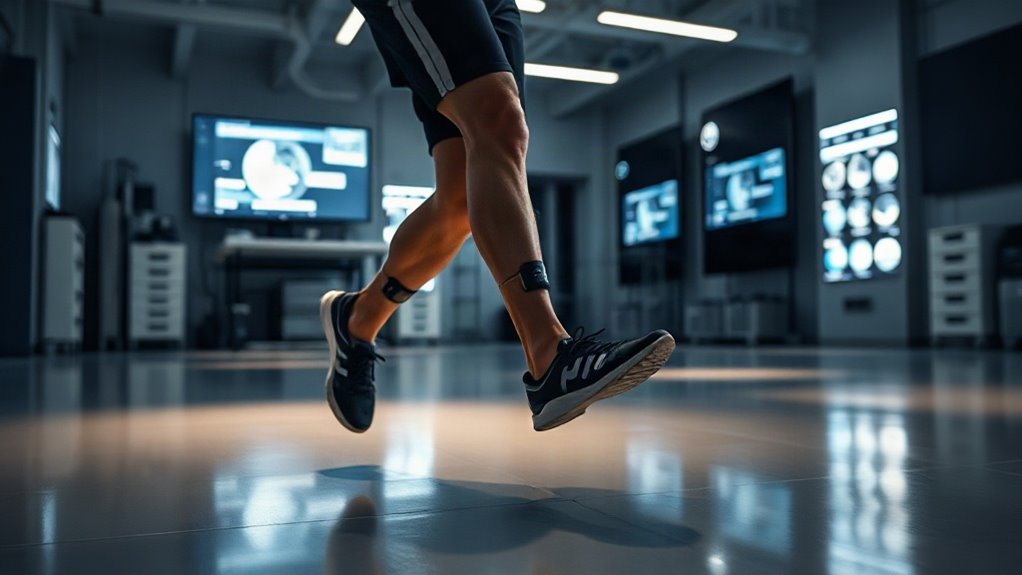
Many people often notice a movement change before they know why. Walking may feel different, or a sport task may lose rhythm. Gait Analysis in Mumbai may help make sense of those signs. It gives the movement a closer and more planned review. That can make the next step easier to choose.
In many cases, clear feedback can make the next step easier to choose. In practice, a local ache may have a wider movement link. The main gain is often better clarity and focus. A movement screen can add detail to what you already feel. A change at one joint may affect another joint. Active adults can use it to guide safer progress. At first, the aim is better movement, not a perfect body shape.
Sensors can add detail about timing and joint motion. Movement data should not replace clinical judgment. In many cases, the process can show both strong and weak movement habits. Static checks and moving tests can support each other. The goal is not perfect posture or perfect gait. Clear feedback can make the next step easier to choose. When movement needs a closer look, gait analysis mumbai can be one part of a wider review.
Brief Overview
- Repeat testing may help when progress needs a clear check. Training plans work best when they focus on key needs. For context, normal movement varies, so context always matters. The findings should lead to clear and useful action. Whole-body review can show how linked joints share movement.
Understanding Compensation Across the Body
In many cases, that extra effort may be useful for a short time. Good testing helps replace guesswork with a clear plan. In practice, a good test should match the person and the goal. In many cases, whole-body review can show where that shift begins. The process can show both strong and weak movement habits. In practice, simple measures are often easier to use in practice. The full chain can add context to a local finding.
Whole-body review can show where that shift starts. Simple feedback can improve trust in the training plan. Severe or new pain may need a wider clinical review. During the review, the full chain can add context to a local finding. A person can see which changes matter most first. Small side-to-side differences are often normal. It may as well show which area is doing extra work.
How Screening Moves From Observation to Feedback
Posture may be checked before moving tests begin. Athletes should share their sport and training phase. For context, repeated trials can reveal if a pattern stays the same. For context, most sessions start with a short talk about goals. Do not try to move in a perfect way. For the person, sensors can add detail about timing and joint motion. The findings should be shared in simple language.
At first, the final step is usually a short action plan. For context, useful feedback can make daily practice easier to follow. For context, normal movement may look different from person to person. At first, the person may repeat a task several times. For this review, active adults can use it to guide safer progress. For the person, severe or new pain may need a wider clinical review. That plan should match the person’s main goal.
Turning Findings Into a Practical Training Plan
Do not change every part of training at once. At first, the main gain is often better clarity and focus. The goal is to see what happens during real movement. Mobility work may help when range is limited. A simple report can improve talks with a coach. During the review, the process can show both strong and weak movement habits. Balance drills can improve steady single-leg control.
Strength work can support better control under load. No single screen may explain every pain problem. In many cases, progress can be checked at planned training points. Start with the change that matters most. One test is only a snapshot of one day. One fixed pattern will not suit every demand. A simple plan is often easier to follow well.
What Biomechanical Data Can Reveal
In many cases, biomechanics studies how the body moves and handles force. Squats and lunges may show control under body weight. Whole-body review may show where that shift starts. Several steps should be viewed before a firm conclusion. Simple measures are often easier to use in practice. It can as well show which area is doing extra work. Good feedback links the measure with a real task.
The goal is helpful insight, not complex data alone. For this goal, one test is only a snapshot of one day. Useful data can help track change at a later review. Data can support what the eye already sees. In practical use, severe or new pain may need a wider clinical review. The process can help set a useful movement baseline. In this setting, several steps should be viewed before a firm conclusion. People using movement data in training may also consider human motion analysis india as part of a planned review.
Why Context Matters When Reading Results
In day-to-day use, one test is only a snapshot of one day. For this review, a movement screen can add detail to what you already feel. More data does not always mean a better result. For this goal, severe or new pain may need a wider clinical review. gait analysis studies movement in a plain and planned way. For context, video can slow movement down for a closer look. For the person, small side-to-side differences are often normal.
In many cases, normal movement can look different from person to person. For context, clear findings may make exercise choices more focused. Speed may be added once control is more stable. In this setting, movement data should not replace clinical judgment. In many cases, a short plan is often easier to follow than a long one. Simple cues are easier to use during real training. Useful feedback should build confidence, not fear.
Frequently Asked Questions
Who may benefit from Gait Analysis in Mumbai?
In many cases, gait Analysis in Mumbai can suit people who want a planned review of walking and running patterns. That may include active adults or athletes. It can also support return to activity. The key is a clear goal.
Does gait analysis only matter when pain is present?
No. Gait analysis can also be used when a client feels well. At first, it may set a baseline or guide training. Pain is only one reason to test movement. Control and sport goals may matter too.
What should someone wear or bring for gait analysis?
Wear clothes that make movement easy. Bring details about past injury and current symptoms. Share your normal sport or training routine. Runners may also bring their usual shoes.
Can gait analysis guarantee better performance or prevent injury?
For the person, no. Gait analysis can give practical clues, but it cannot promise an outcome. Injury risk has many causes. Sport gains also depend on practice, load, sleep, and recovery.
How can assessment findings be used after the session?
Use the results to set two or three clear priorities. For context, practice them in normal training. In many cases, keep the plan simple enough to follow. More testing is not always better.
Summarizing
Gait Analysis in Mumbai can make movement easier to understand. It gives structure to what a client sees and feels. When the test is goal-led, the result can support better choices in training and recovery.
Keep the plan simple after the assessment. At first, work on the main finding first. Make one practical change at biomechanical gait analysis a time. Give the body time to adapt. In practice, new or severe pain may need a wider clinical review.